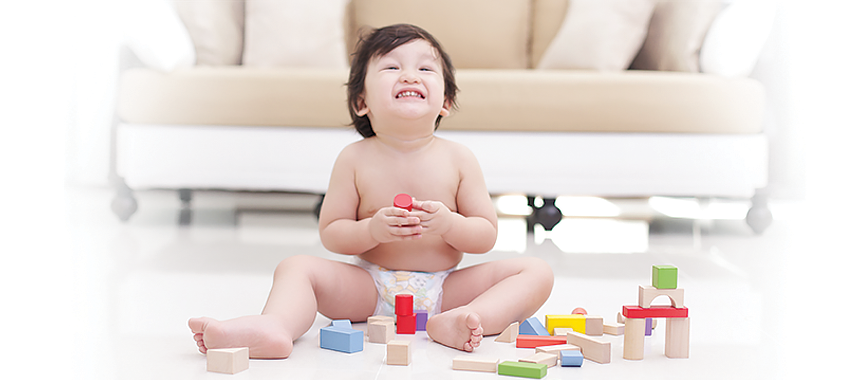
You’ll quickly realize how your entire home is dangerous to a toddler’s health once they’re up and about. Every corner will look more pronounced, every small item more mischievous, and every socket more dangerous. Your home, however cozy, is filled with potential threats to your little one, so you’ll want to make it as safe as possible. Here’s how you can do so.
Toddler-Proofing the Nursery
Let’s start at ground zero. This room is where your toddler will spend most of their time, so it’s important to keep it as safe as possible.
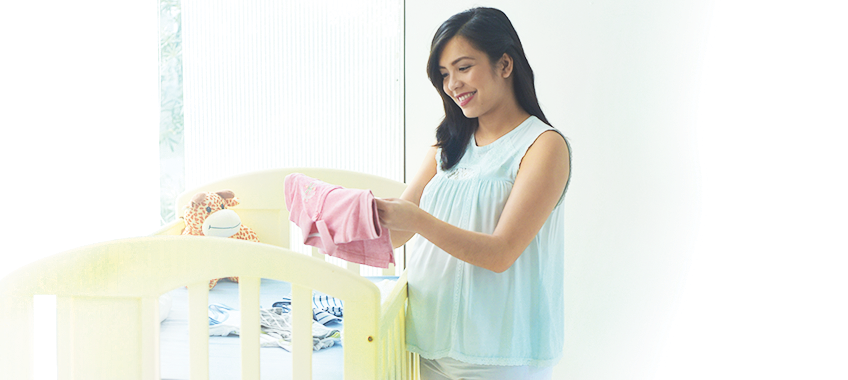
To make the room safer, remove blankets, pillows, and plush toys from your toddler’s crib, as these can pose suffocation risks. Apart from increasing the risk of suffocation, pillows and stuffed animals can also become stepping stools for adventurous toddlers trying to climb out of their cribs.
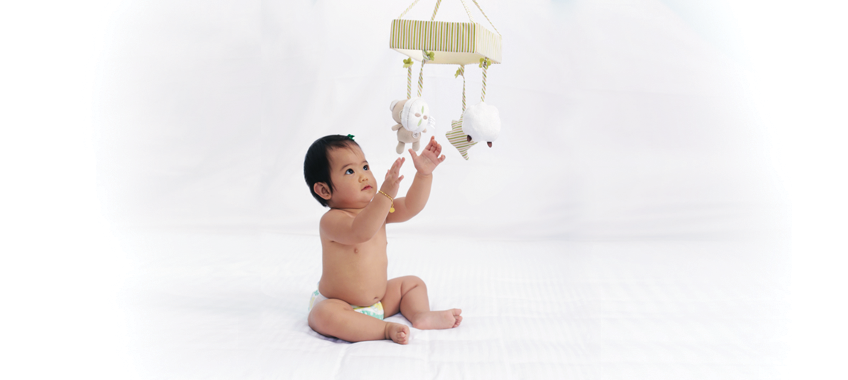
Mobiles are meant to entertain and relax babies, but once your child can pull themselves up to stand, there’s a good chance they’ll try to grab the hanging pieces. At this stage, it’s time to remove the mobile. You may also want to add soft floor padding to help cushion falls as your toddler begins walking.
Remember those dangerous electrical outlets? Cover them with plastic outlet covers, preferably sliding ones. Install outlet covers in every room your toddler can access.
Finally, go cordless. If your window blinds have cords, consider replacing them with cordless versions. Children can accidentally become entangled in blind cords, creating a serious strangulation hazard.
Toddler-Proofing the Living Room
Coffee tables, entertainment consoles, shelves, benches, or certain chairs: the living room is quite an edgy place for a baby with newfound mobility. Many of these corners and edges are right around eye level for a two-footer too, so be sure to cushion all edges with bumpers.
The living room typically holds a lot of décor as well, which means more breakables! Children can surprise you with how far they can reach, so keep all fragile mementos away from your little ones. For instance, picture frames are nice to look at but can easily shatter when dropped and can cut your child.
For taller, larger furniture like bookcases, be sure to secure them to the wall by way of bolts or adjustable locking furniture straps. You don’t want your child tipping over anything taller than them. This also goes for stairs; once your child is up and about, block the stairs with a baby gate.
Again, cover all outlets. While you’re at it, hide all electrical cords behind furniture.
Toddler-Proofing the Bathroom
Never leave your child unattended in the bathroom, even for a few seconds.
That being said, let’s start with the floors. Since they’re moist most of the time, invest in nonslip mats, and place some in the tub as well. In the immediate area outside the bathroom, consider placing rugs with non-skid backings, as your child might still be wet after a bath and looking to make a break for it.
Close toilet lids and keep them shut! Doing so keeps your child from unsanitary exposure, getting their fingers slammed on, and can even save them from drowning (it happens!).
Also, consider installing a medicine cabinet if your bathroom doesn’t have a place to store your medicines or razors. Even if these hazards are on a high shelf, at some point your child will try to reach for them.
Finally, make sure to pad your tub faucet and to use plastic soap dishes instead of glass or ceramic to be extra safe.
Toddler-Proofing the Kitchen
The kitchen contains some of the biggest safety hazards in any home. Keep dangerous items out of reach or secured inside childproof cabinets, including:
- Cleaning products
- Cutlery
- Utensils
- Plastic bags
- Kitchen appliances
- Dishes
- Glasses and other breakables
In fact, invest in plastic or unbreakable dishes and glasses to use when your child’s around. Unplug small appliances when not in use and be sure not to leave their cords dangling like fish bait.
Let’s not forget the refrigerator. Ensure that you close the door carefully after opening it, especially if your child is already able to open it on his own. Besides getting their fingers caught in the door, children could hurt themselves trying to reach for bottles and such on higher shelves and compartments.
General Toddler-Proofing Tips
Now that the rest of your home is toddler-proof, here are other ways you can safeguard your kid:
- Keep hot food and drinks away from edges of tables and counters.
- Avoid using tablecloths or placemats as your child can easily tug and drag down everything on top of them.
- Anchor floor lamps or remove them altogether.
- Use doorstops and door holders to protect your child’s fingers.
Creating a Safer Home for Your Toddler
As your toddler becomes more curious and independent, new safety risks will naturally appear around your home. Regularly checking each room for potential hazards can help prevent accidents while giving your child a safe space to explore and learn.
Toddler-proofing your home doesn’t mean removing all the fun—it simply means creating an environment where your little one can discover the world more safely.
We hope this guide has given you the information you were looking for. If you have any further questions or need assistance with our products, feel free to get in touch with our EQ support.
References:
http://www.parenting.com/gallery/babyproofing-your-home?page=0
http://www.parents.com/toddlers-preschoolers/safety/toddlerproofing/childproofing-home-room-by-room/
http://www.babycenter.com/childproofing-checklist-before-toddler-and-beyond