
You wait with bated breath for a few minutes as you stare at the pregnancy test kit. A few seconds more and you see two lines appear. It’s confirmed, you’re expecting! Congratulations, mommy!
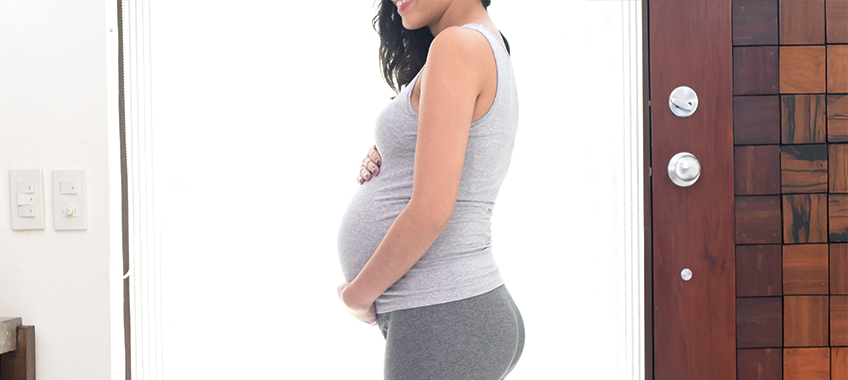
Finding out you’re pregnant is one of life’s most exciting milestones, but it’s completely normal to feel a mix of joy, anticipation, and uncertainty. Your first trimester of pregnancy is filled with many physical and emotional changes, especially if you’re a first-time mom.
It’s going to be an interesting next few months. From here on, everything is new and can get overwhelming. Here’s what you need to know to prepare for your first trimester.
Common First Trimester Symptoms
There will be countless changes in your body during the first trimester of pregnancy. Some of them may seem alarming, but many first trimester symptoms are completely normal. Here are some of the most common changes you may experience during early pregnancy:
Bleeding
In an article on Parents.com, Dr. Stephenson-Famy, M.D., Maternal-Fetal Medicine Specialist of the University of Washington, says that 24 to 40% of women experience bleeding or spotting. This means that the fertilized embryo has been implanted in the uterus. However, if you experience abdominal cramping or if light spotting turns into significant bleeding, immediately call your doctor.
Discharge
Some white discharge or leucorrhea is rather common and normal early on in your pregnancy. However, inform your doctor if the discharge is green or yellow, comes in an alarming amount, or smells suspicious.
Frequent Urination
Your bladder is subjected to increasing pressure as your baby grows. Do not make holding it in a habit! Doing so can cause a urinary tract infection, not to mention make you feel uncomfortable! Also, as you’ll be going to the bathroom more frequently, remember to stay hydrated.
Nausea
Morning sickness is experienced by 85% of pregnant women, and it typically lasts throughout the entire first trimester. The intensity of morning sickness affects women differently, as some experience mild variations while others suffer debilitating forms of it. To reduce morning sickness, try eating high-protein foods like nuts (such as almonds and pistachios) or meat, and drink lots of water and fruit juices without pulp, such as apple, cranberry, or grape.
Breast Tenderness
Breast soreness is triggered by hormonal changes as your body prepares for breastfeeding. Most women go up one bra size during this period.
Constipation
Your body produces higher levels of the hormone progesterone, which causes food to travel slower through your intestines. For this, you’ll want to eat foods that are rich in fiber like corn, beans, whole wheat bread, and brown rice, and drink plenty of fluids like pear and prune juice besides water to relieve constipation.
Fatigue
Your body supports two lives now, so it will be working twice as hard. This will take its toll on you, so make sure to get plenty of rest and enough iron in your system. Low levels can lead to anemia, resulting in pallor and excess fatigue.
Heartburn
The progesterone influx will cause the muscles in your lower esophagus that keep food and acids down, To avoid it, eat more frequent meals in smaller portions throughout the day. However, avoid greasy, spicy, or acidic foods. Lying down right after meals should also be avoided.
Weight Gain
Expect to gain anywhere from 3-6 pounds during your first trimester. Depending on whether you started the pregnancy under or overweight, your doctor may recommend adjusting your weight up or down.
Food Cravings and Aversions
Pregnancy can make you crave certain foods and be repelled by others. Satisfying your craving is generally fine, as long as you’re eating healthy. By this, you have to watch out for pica, an eating disorder that causes you to gain an appetite for non-food items such as clay, drywall, paint, and metal, among others. If you have a sudden craving for non-food items, immediately talk to your doctor.
Mood Swings
With ever-changing hormones and increased fatigue, there’s no avoiding becoming too emotional. Happy, depressed, irritable, anxious – you’ll experience all these and more. Not to worry, everyone around you will be very understanding, as pregnancy tends to wreak havoc on a woman’s mental state.
First Trimester Pregnancy Tips
Having enumerated the most common changes in your first trimester, here are more tips to consider so you can have a healthy pregnancy.
| Say Yes To | Say No To |
| Prenatal vitamins | Alcoholic beverages and nicotine |
| Kegel exercises | Caffeine |
| Fruits, vegetables, low-fat forms of protein, and fiber | Raw and smoked seafood |
| Lots of water | Unpasteurized milk and dairy products |
Remember to attend your regular prenatal checkups and follow your doctor’s advice throughout your pregnancy. Every pregnancy is different, so your healthcare provider can recommend what’s best for you and your baby.
Preparing for a Healthy First Trimester
It’s hard to truly prepare for things you’ve never experienced before, but know that most of these discomforts will go away as your pregnancy progresses, and knowing what to expect can and will go a long way.
So what do we take away from this, mommies-to-be? Your first three months may prove to be difficult, but don’t worry, things will get better. Don’t forget that your EQ family is here for you.
We hope this guide has made your first trimester a little easier. Continue your pregnancy journey by reading our guide for the second trimester, where you’ll find more helpful information and practical tips. If you have any questions about our products, don’t hesitate to reach out to our EQ Support team.
Sources:
http://www.webmd.com/baby/guide/first-trimester-of-pregnancy?page=3
http://www.healthline.com/health/pregnancy/first-trimester#StayingHealthy5
http://www.healthline.com/health/pregnancy/first-trimester#StayingHealthy5